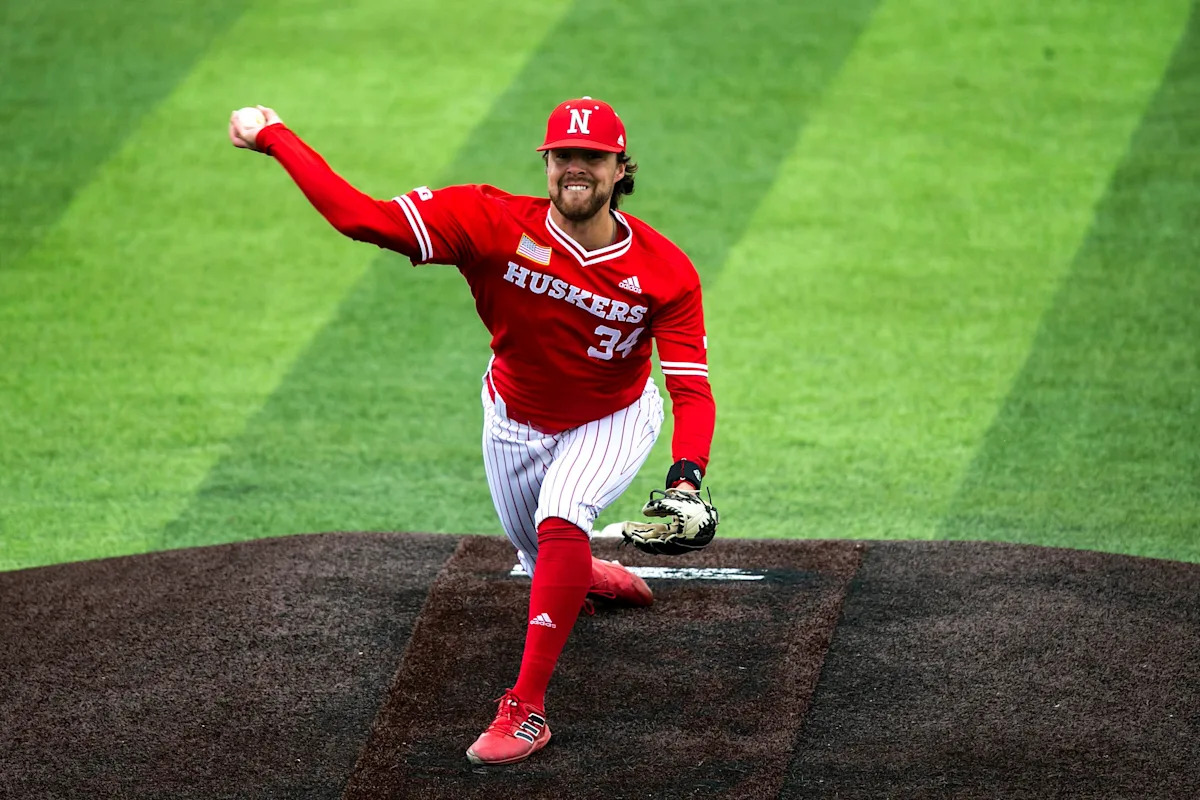
Huskers' Comeback Falls Short as Stanford Secures 11-6 Victory in High-Stakes Desert Showdown
In a thrilling display of collegiate baseball that saw dramatic swings of momentum, the Nebraska Cornhuskers ultimately succumbed to the Stanford Cardinal with a final score of 11-6. The highly anticipated Nebraska Vs Stanford Baseball clash, held on Monday, February 16, 2026, at the picturesque Salt River Fields at Talking Stick in Scottsdale, Arizona, delivered a memorable spectacle for fans, even if the outcome wasn't what Big Red faithful hoped for. Despite a valiant comeback effort and a strong offensive showing, the Huskers (3-1) couldn't overcome an early onslaught from the Cardinal (2-2), marking their first defeat of the young 2026 season.
The game served as a stern test for both teams early in their respective campaigns, with Stanford demonstrating their offensive firepower and Nebraska showcasing remarkable resilience. The contest underscored key areas for both squads to refine as they navigate the rigorous demands of college baseball.
Early Cardinal Onslaught: A First-Inning Statement
The tone for the game was set unequivocally in the very first inning, as Stanford exploded out of the gate with a six-run rally that stunned the Huskers and their fans. The Cardinal lineup wasted no time getting comfortable, capitalizing on a combination of five well-placed hits and a critical error by Nebraska. The damage began with four consecutive hits that quickly pushed two runs across the plate, establishing an immediate 2-0 lead. A sacrifice fly further extended their advantage to 3-0, creating palpable pressure on the Husker dugout.
Stanford continued their relentless assault, adding to the deficit with a crucial two-RBI double, followed by an RBI groundout. By the time Nebraska starter Colin Nowaczyk could record the third out, the Cardinal had built a commanding 6-0 lead before the Huskers even had a chance to bat. This early offensive explosion proved to be a formidable hurdle for Nebraska, testing their mental fortitude and setting an uphill battle for the remainder of the game. For a deeper dive into how this early lead shaped the contest, you can read more in Stanford Outlasts Nebraska 11-6 After Early Offensive Explosion.
Nebraska's initial attempts to respond were thwarted, as they threatened with runners in scoring position in both the first and second innings but failed to convert those opportunities into runs. Stanford, meanwhile, refused to ease up, adding three more runs in the third inning. A series of three doubles and a walk further pushed their lead to a daunting 9-0, creating what seemed like an insurmountable gap.
Huskers' Resilient Batting: A Glimmer of Hope
Despite the significant early deficit, the Nebraska offense demonstrated incredible resolve and refused to surrender. In the bottom of the third inning, the Huskers mounted a spirited comeback attempt, igniting their bats for a four-run rally on five hits. The spark was ignited by Joshua Overbeek's double and a subsequent single from Dylan Carey, setting the stage for a dramatic sequence of events.
It was Cole Kitchens who delivered the first major blow, scorching a two-run double to right-center field, bringing the score to 9-2 and injecting a much-needed jolt of energy into the Husker dugout. Not to be outdone, Will Jesske followed up with a towering two-run home run, further narrowing the gap to 9-4 and sending a clear message that Nebraska was far from out of the fight. This inning showcased the offensive potential that the Huskers possess, even when faced with dire circumstances.
Nebraska continued to chip away at Stanford's lead in the fifth inning, demonstrating their determination to get back into the game. Drew Grego started the inning with a single, and he was quickly followed by an exceptional performance from Mac Moyer, who delivered an extraordinary 4-for-4 performance at the plate, including two doubles, consistently finding ways on base. Moyer's double put runners on second and third, setting the stage for more Husker runs. A wild pitch allowed Grego to score, and Jeter Worthley's RBI groundout brought Moyer home, further reducing the deficit to a manageable 9-6. Moyer's perfect day at the plate was a testament to his individual skill and grit, standing out even in a team loss.
The Battle of Momentum and Missed Opportunities
With the score at 9-6, the momentum seemed to be firmly in Nebraska's favor. The dugout was alive, and the possibility of a complete turnaround felt within reach. However, baseball is a game of fine margins, and Stanford, a seasoned program, understood the importance of stifling a burgeoning comeback. The Cardinal responded with two critical insurance runs in the top of the eighth inning, effectively dousing Nebraska's rally and extending their lead back to 11-6. A leadoff double followed by a wild pitch contributed to Stanford's late-game scoring, pushing the game beyond the Huskers' reach once more.
Pitching proved challenging for Nebraska throughout the game, particularly early on. Starter Colin Nowaczyk surrendered six runs in just one inning, an uncharacteristic outing that immediately put the team in a difficult position. Reliever Tucker Timmerman also faced struggles, allowing three runs across 1.7 innings. While the bullpen eventually settled, the initial damage proved too significant to fully recover from. Despite amassing 13 hits as a team, Nebraska’s inability to convert early base runners into runs, coupled with the pitching struggles in the initial frames, highlighted the immense challenge of overcoming such an early deficit. Ultimately, the spirited comeback, though impressive, fell short against a well-executed Stanford strategy.
Strategic Takeaways from the Nebraska Vs Stanford Baseball Clash
The Nebraska Vs Stanford Baseball game offered valuable lessons for both teams, particularly for the Huskers as they navigate the early part of their 2026 season. Analyzing the strategic elements can provide insights into improving future performances.
The Imperative of Early Game Pitching Stability
One of the clearest takeaways from this contest is the profound impact of a strong start on the mound. Surrendering six runs in the first inning immediately puts a team in a reactive, rather than proactive, position. For collegiate pitchers, especially early in the season, focusing on first-pitch strikes, command of off-speed pitches, and mental composure after an error or a hit is paramount. Coaches often emphasize getting through the first inning cleanly to settle nerves and set a positive tone for the defense. Developing a 'reset' mechanism for pitchers who encounter early trouble can prevent a small hiccup from snowballing into a substantial deficit.
Sustaining Offensive Pressure and Capitalizing on Baserunners
Nebraska's 13 hits are commendable and demonstrate the firepower within their lineup. However, the difference between accumulating hits and scoring runs often lies in timely hitting with runners in scoring position. While the Huskers eventually strung together several productive innings, their early struggles to convert threats meant the deficit grew too large. Teams must cultivate a situational hitting approach that focuses on moving runners over, hitting for contact, and being aggressive on the base paths when opportunities arise. Mac Moyer's perfect day at the plate serves as an excellent example of individual execution, and the challenge lies in ensuring that such performances consistently translate into team runs, especially in critical situations.
The Mental Game: Resilience and Strategic Adjustments
Nebraska's comeback from a 9-0 deficit to 9-6 speaks volumes about their mental toughness and refusal to quit. This resilience is a critical asset for any successful baseball program. However, equally important are the strategic adjustments made by coaching staff. Managing a bullpen effectively after a starter struggles is key, as is ensuring that players remain focused and maintain a competitive edge, even when trailing significantly. Instilling a "one pitch at a time" or "one inning at a time" mindset can help players break down seemingly insurmountable leads into manageable segments, fostering a culture of continuous effort.
For coaches, this game highlights the need for dynamic game planning and being prepared for unexpected turns. Having versatile relievers who can come in and immediately change the game's tempo is invaluable, as is the ability to communicate clear adjustments to hitters and fielders throughout the game.
Conclusion
While the Nebraska Cornhuskers ultimately fell 11-6 to the Stanford Cardinal, the game was far from a one-sided affair. The early season Nebraska Vs Stanford Baseball contest offered a captivating look at two competitive programs. Stanford showcased their ability to strike early and maintain composure, while Nebraska demonstrated a potent offense and a never-say-die attitude that will serve them well throughout the 2026 season. For the Huskers, this defeat, while disappointing, provides valuable teaching moments regarding early-game pitching, situational hitting, and the mental fortitude required to compete at the highest levels of collegiate baseball. They will undoubtedly take these lessons learned back to the practice field, eager to build on their offensive strengths and refine their game for the challenges that lie ahead in their promising season.